

Three Types of Electric Stoves
A lot of homebuyers prefer gas stoves that can give a professional appearance to kitchens. However, if you live in an area without a natural gas line an electric stove is a viable alternative.
Electric stoves (also known as ranges) make use of 240-volt outlets to generate heat that is used to cook food. Coil-top stoves have exposed metal coils; glass-top models have heating elements that are placed on a flat, ceramic surface.
Types
Electric stoves are available in a variety of designs. They can be freestanding with burners on top, and an oven underneath or they can be flat-top models which only have burners on the cooktop. They can also include exposed coils, smooth ceramic or glass surfaces, and induction stoves that utilize magnetic fields to heat the pans directly. The three types of electric ranges are very alike. Each type has its own unique pros and cons to be aware of when selecting the best one for your home.
Coil-top stoves are made of exposed metal coils that are powered by 120 volts of electricity to generate heat to cook. The coils emit heat to the hotplates made of iron on which the cookware sits. Early models used resistive coils. Newer models use composite elements, with resistive wires encased in hollow metal tubes stuffed with magneticsite. This allows for better distribution and support of heat more evenly.
Although they are durable and efficient, they are usually more difficult to clean than glass or radiant-top models. Food particles can easily clog the drippans or coils and hotplates may crack due to pots being dropped on them or spills that aren't cleaned up promptly.
The coil-top electric stoves come with a major drawback that is that the heating element may take a few moments to reach its maximum temperature after having been turned on. This can reduce cooking time, and increase the chance of an overcooked pot in the event that the burner is left on even after it's been shut off. The stove can remain warm for a long time after the burners are shut off, increasing the risk of burns in the event that you get your hands on the stove's surface when it's still warm.
Gas stoves have been an essential feature in homes for a long time. They provide instant heating and a more precise temperature control as compared to electric models. However they can be expensive to operate in homes with a natural gas line and are a risk in the absence of proper ventilation. In addition, research has linked the emission of gases from gas stoves to childhood asthma and tighter regulations are likely to require the switch to electric stoves in the near future.
Safety
Stoves can be one of the most dangerous appliances in your home if they are not utilized correctly. If you are thinking of installing an electric stove, it is important to understand how the appliance works and what safety measures should be taken to avoid fires or accidents.
Electric stoves employ coils to heat food with electricity, which is much safer than gas as there is no open flame. However, electric stoves still need to be monitored closely since they can ignite if the heat is too high or if there are loose connections. The best way to avoid this is to make sure that the knobs are turned off prior to leaving the room and use a cooking thermometer to monitor the temperature of your food.
Many electrical stoves are able to detect the time that the burner is turned on which can prevent burns and injuries. If your stove has this feature, it will beep or flash a warning message if it is accidentally turned on or left on. This is particularly helpful for people who live alone or suffer from cognitive impairment who may forget to shut off the stove.
Pets and children are also at risk of a fire or burns when using an electric stove. There are many third-party items that will keep your family safe. They include locking knob covers for stoves, strap locks for the oven door, and knob covers that lock.
If you are concerned about the environmental impact, you can choose a stove that uses renewable energy or has been awarded an Energy Star rating. These stoves tend to be more expensive than regular ones, but will save you money over time by using less power.
When cleaning your stove, it's vital to inspect for damage or rust on the surface. In addition, it is a good idea to clean the area behind the stove and in the oven every now and then to make sure that dust and debris don't build up. It is also a good idea to change the filters regularly to reduce dust in the air.
Cooking
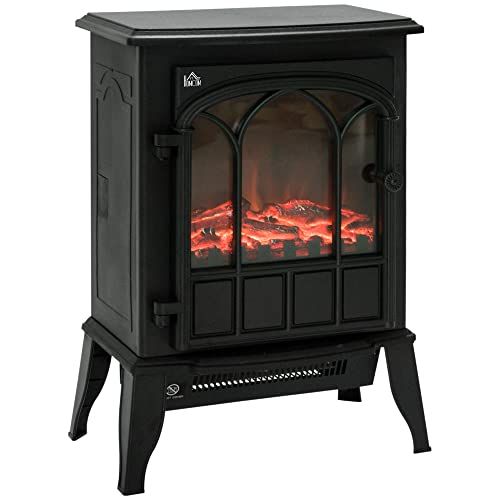
Electric stoves have an element of heat under the burner, unlike gas stoves that use a flame. The heated element is surrounded by a ceramic surface that transfers heat to cookware, which in turn cooks the food. Electric stoves typically have more heat settings and permit users to control the cooking process.
There are some niggles you must be aware of when using an electric stove. For example, it can take longer for the pan to reach the desired temperature than other stoves. This can be a problem for recipes that call for a precise cook time. To combat this issue, it's a good idea to shift the pan to a different burner once the desired temperature has been attained or to reduce the heat setting when it's possible.
It's also crucial to determine what cookware is suitable for electric stoves. Metal cookware and pans that conduct heat well are highly recommended and flat-bottomed pots and pans are also recommended. Woks and round metal vessels should be avoided since they could cause uneven heating. Finally, ceramic and glass cookware can be damaged by extreme heat, which is why it's not recommended to use high-temperature settings on an electric stove.
One thing to keep in mind is the heating element is able to turn on and off during the cooking process. According to LG and GE, this is done to control the temperature and keep the stove from overheating. This may be more noticeable at low temperatures, but it can occur even if the burners are fully on. It's not a major issue however it shouldn't have a significant impact on the cooking process.
The biggest benefit of electric stoves over gas ones is that they're less polluting. Gas stoves release harmful pollutants such as nitrogen oxide (NOx) which is a chemical which has been linked to asthma in children, and has been shown to negatively impact the health of the heart and brain. Electric stoves on the other hand, make use of energy from renewable resources and can lessen the environmental impact of cooking. This is why electric stoves are becoming more popular with home cooks and can be used as a replacement for gas appliances in new homes as well as remodeling projects.
Installation
Often referred to as ranges electric stoves can be powered by electricity or natural gas. Electric stoves can be either a stovetop or a combination stovetop and oven. Electric stoves can either be installed with or without a dedicated line of gas, but in certain instances, it could be necessary to have a professional install the gas line to ensure the stove functions correctly. Regardless of whether you are installing a new electric stove or changing to one, it is crucial to follow the instructions provided by the manufacturer as well as any local codes that could apply.
Be sure to shut off the electrical breaker on your electric stove before you begin any electrical work within your home. This will prevent overloading and fire hazards. It's recommended to use a voltage detector to ensure that the outlet that will be used for your stove has the right amps and volts required by the model you pick. Depending on the total wattage of your stove it is recommended to use a 250-volt circuit as well as a 40-50 amp receptacle are typically required for stable operation. The installation instructions are usually complete. a chart to assist you in determining the minimum requirements for your specific model.
The way that an electric stove functions is that it uses heating elements to cook food. These are enclosed by a ceramic or glass surface that allows the heat to flow through the coils of metal to cook the food. Electric stoves have extremely precise temperature settings, which makes them ideal for those who like cooking with precision. Electric stoves are also a popular choice for people who do not wish to face the mess and clean-up that comes with a gas stove or are worried about potential leaks in their kitchen.
A professional should be consulted when doing plumbing or electrical work you do at home, particularly when it involves high volts or gas lines. Even a small error can cause serious injury or death. An electrician who is licensed is able to install or repair any kitchen appliance including an electric stove, in a secure and speedy manner. electric stove fireplaces can also provide advice on which stove is the best for your needs, and help you find any rebates that are available.